

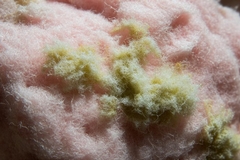
Homeownership brings many joys, but it also presents its share of challenges - one being the unwelcome presence of mold. Mold can stealthily infiltrate your living space, often choosing to hide in less visible areas such as insulation. Left unchecked, it can lead to various issues, from health concerns to structural damage. But what does mold look like on insulation in your home? This question is crucial for homeowners who want to maintain a safe and healthy home environment. Mold on insulation can manifest as discolored patches, ranging from black and green to brown or even orange, depending on the type. At Chem Master Restoration, we are dedicated to helping you tackle these issues with our emergency restoration services in Eau Claire and its nearby areas.
Mold grows where moisture is abundant, such as in basements, attics, or areas with leaky pipes. It is not only a visual blemish. Mold can also release spores into the air that could be harmful when inhaled. By understanding what mold looks like on insulation, you better equip yourself to identify and address this problem early. In this blog post, we delve into the characteristics of mold on insulation, the various risks it poses, and effective measures for prevention and removal. We'll also explore when it's time to call in professionals, ensuring your insulation and your home remain mold-free.
Identifying Mold on Insulation
Mold can resemble small, dark spots or larger, more ominous patches. It's important to understand that not all discoloration on insulation is mold. However, if you notice any unusual shades or a distinct musty smell, it’s worth investigating further. Mold thrives on moisture and organic material, making paper-backed or organic-based insulation prime candidates for infestation.
There are some common indicators that can help you determine if you are dealing with mold on insulation. For instance, if you spot fuzzy, velvety, or powdery textures on the insulation, these might be colonies of mold. Dark streaks or patches that spread over time are a red flag as well. Testing kits are available for homeowners, but having professionals like Chem Master Restoration handle this ensures a comprehensive assessment and effective treatment of mold growth.
Understanding that certain types of mold, such as black mold, are more toxic than others is crucial. These types can cause respiratory issues, skin irritations, and exacerbate allergies. Thus, knowing what mold looks like on insulation is not only a question of curiosity but also a practical step toward preserving your health.
Environmental Conditions That Promote Mold Growth
Insulation is particularly susceptible to mold growth due to the conditions of its typical environment. Basements and attics are common mold-prone areas. Poor ventilation, high humidity levels, and water leaks due to compromised roofing or plumbing all create prime breeding grounds for mold. Mold spores require a damp environment to thrive, and these confined spaces in a home can trap moisture effectively.
Another contributing factor is the lack of sunlight. Sunlight naturally reduces mold spore viability. In darker areas, mold can grow unchecked if moisture is present. High humidity in regions like Eau Claire may exacerbate these conditions, demanding extra vigilance from homeowners to manage interior air quality and moisture levels.
For insulation-specific concerns, leaks in roofing or condensation can lead to enough moisture build-up to attract mold. Proper insulation maintenance and routine checks can help catch moisture issues early, ideally preventing mold growth entirely. If you suspect mold, consider having your insulation checked for any signs of dampness or degeneration, as this not only affects mold but can also reduce the insulation’s effectiveness.
The Health and Structural Risks of Mold
Health risks from mold exposure can be significant, particularly for those with pre-existing conditions like asthma or allergies. Mold spores are known to cause respiratory problems, headaches, and even cognitive issues in severe cases. Children and the elderly are particularly vulnerable, and living in a mold-infested home can lead to chronic health problems if not addressed promptly.
Aside from health concerns, mold on insulation can compromise your home’s structural integrity. Insulation plays a critical role in temperature regulation and energy efficiency, and mold can degrade these materials. This degradation not only diminishes your home's comfort levels but also increases your heating and cooling bills as your home becomes less energy-efficient. Moreover, mold can spread from insulation to other parts of the house if not immediately addressed, causing more extensive damage that might require costly repairs.
Understanding what mold looks like on insulation and acting swiftly when you suspect its presence is vital. The longer the mold is allowed to grow, the more damage it can inflict both on the health of the occupants and the structure of the home itself.
Effective Measures for Mold Prevention and Removal
Mold prevention is far more manageable than mold removal, making proactive measures incredibly beneficial. One of the first steps in mold prevention is controlling humidity levels in your home. Using a dehumidifier in damp-prone areas can significantly reduce the risk of mold. Ensuring good ventilation is another critical preventive measure. Make use of fans and open windows to circulate air regularly.
Regular inspections are key. Pay close attention to any water leaks or damp spots in your home, particularly around the insulation in attics and basements. Should leaks occur, address them promptly to avoid providing a moist environment for mold. Using mold-resistant insulation products can offer additional layers of protection. Certain types of insulation, like foam, are more resistant to mold than others.
When mold is identified, deciding between doing it yourself or calling professionals depends on the severity of the situation. For minor growth on exposed insulation, wearing protective gear and using mold cleaning solutions might suffice. However, if mold growth is extensive or hidden behind walls, professional help is advised. Chem Master Restoration offers water damage repair in Eau Claire and beyond, tackling not only the mold itself but also addressing the underlying moisture issues that allowed it to flourish.
Signs It's Time to Call in Professional Help
While small mold spots can sometimes be handled with DIY methods, there are clear indicators when it's time to engage professional services. If the mold covers an area larger than ten square feet, it’s a job for the pros. Finding mold in your HVAC system or within the walls where removal requires structural intervention also necessitates expert intervention.
Professional services ensure thorough removal and prevent future occurrences by addressing the root cause of the moisture problem. Equipped with advanced tools and protective gear, professionals can efficiently tackle mold while also minimizing the health risks involved with mold exposure during removal. Chem Master Restoration's expertise in cases like these makes them a reliable choice for homeowners in Eau Claire and surrounding areas dealing with mold issues.
Taking the Next Step Toward a Mold-Free Home
Mold on insulation is more than an aesthetic issue; it's a serious concern that should mobilize immediate action. Identifying what mold looks like on insulation is crucial for early detection and prevention. By understanding the appearance of mold, you can act quickly to mitigate the associated health and property risks. It's equally important to stay vigilant about the conditions that promote mold growth, addressing them proactively to safeguard your home and your loved ones.
When mold becomes unmanageable or expands beyond small patches, seeking professional assistance is essential for effective remediation. Chem Master Restoration offers comprehensive services, from mold evaluation to water damage restoration in Stanley, ensuring your home remains safe and comfortable. With our help, you can conquer home mold issues and maintain a healthy, mold-free environment. Reach out today to schedule an assessment or to learn more about our emergency restoration services.