

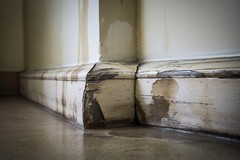
Baseboards are easy to overlook until something goes wrong, and by the time you notice a water damaged baseboard, moisture has often been at work behind the scenes for a while. That thin strip of trim where your wall meets the floor is one of the first places water collects when a leak, spill, or flood happens, which makes it an important early warning sign for bigger problems inside your walls. If you catch it early, the repair can be simple. If you wait, you may be dealing with mold, warped flooring, or compromised drywall.
At Chem Master Restoration, we see this scenario play out in homes across the region every season. Whether the culprit is a burst pipe in January or a summer storm that pushes water into a basement, the baseboards usually tell the story first. In this guide, we will walk through how to recognize the signs, what causes the damage, and how to fix it, along with when it is smart to call in professionals for emergency restoration services in Eau Claire and beyond.
How to Spot a Water Damaged Baseboard
The signs of moisture damage are not always dramatic. Sometimes a baseboard looks perfectly fine at a glance but reveals its condition when you touch it or look closely at the paint. Learning what to watch for helps you act before a small issue turns into an expensive one.
One of the clearest indicators is swelling or warping. Wood and MDF baseboards absorb moisture and expand, so if a section looks puffy, bulged, or no longer sits flush against the wall, water has likely soaked in. Peeling, bubbling, or cracking paint is another common clue, since trapped moisture pushes the finish away from the surface. You may also notice discoloration, with dark streaks, yellowish stains, or a generally faded look near the bottom edge.
Beyond what you can see, use your other senses. A musty or earthy smell along the floor often signals mold growth behind or beneath the trim. If the baseboard feels soft, spongy, or crumbles when pressed, the material has broken down and cannot be salvaged. Gaps forming between the baseboard and the wall or floor can also indicate that the wood has shifted as it absorbed and released water.
What Causes Baseboards to Take on Water
Understanding the source matters, because fixing the trim without addressing the cause simply guarantees the damage will return. In our experience, most cases trace back to a handful of familiar culprits.
Plumbing problems top the list. A slow leak under a sink, a failing dishwasher connection, or a burst supply line can send water traveling along the floor until it reaches the nearest baseboard. Basement moisture is another frequent offender, especially during heavy rain or spring melt when hydrostatic pressure forces water through foundation walls. Appliance overflows from washing machines and water heaters, high humidity in poorly ventilated rooms, and condensation around windows all contribute as well.
Seasonal factors play a big role in Wisconsin homes. Frozen and burst pipes are a real concern when temperatures plunge, and our team handles a steady stream of these cases each winter. If you want to understand that risk better, our overview of winter damage restoration in Eau Claire explains how cold weather turns a small vulnerability into a flooded room overnight.
Why Prompt Action Matters
It can be tempting to wipe up the visible water, let things dry, and move on. Unfortunately, a water damaged baseboard is often just the tip of the iceberg. The trim sits against drywall and subflooring, both of which are highly absorbent, so moisture that reaches the baseboard has usually spread into the surrounding structure too.
Mold is the biggest reason to act quickly. Under the right conditions, it can begin growing within 24 to 48 hours, and once it takes hold behind walls it becomes far harder and costlier to remove. Standing moisture also weakens adhesives, rots wood framing, and can eventually affect the integrity of your flooring. Addressing the problem early keeps the repair contained and protects the air quality in your home. Our full range of water damage restoration in Eau Claire and its neighboring cities is built around stopping that spread before it compounds.
How to Fix a Water Damaged Baseboard
For minor, localized damage that has not spread into the wall, a homeowner with basic tools can often handle the repair. The key is to make sure everything is completely dry before you rebuild, because sealing moisture inside the wall creates the very mold problem you are trying to avoid.
- Stop the water source first, whether that means shutting off a valve, sealing a foundation crack, or repairing a leaking appliance.
- Remove the affected baseboard carefully with a pry bar and a putty knife, working slowly so you do not tear the drywall behind it.
- Dry the area thoroughly using fans and a dehumidifier, and check the wall and subfloor for lingering moisture with a meter if you have one.
- Inspect the drywall and framing for softness, staining, or mold, and cut away any compromised material.
- Install new baseboard once everything reads dry, then caulk, prime, and paint to seal it against future moisture.
When the damage extends past the trim, the situation calls for professional equipment and expertise. Hidden moisture inside walls, mold across a large area, or water that has reached the subfloor all require industrial drying, moisture mapping, and often sanitization. Our team documents the extent of the damage, dries the structure properly, and restores affected surfaces so the fix lasts.
When Contaminated Water Is Involved
Not all water is equal. Damage from a clean supply line is very different from damage caused by sewage backups or floodwater, which carry bacteria and other contaminants. If your baseboards were soaked by anything other than clean water, replacement rather than repair is almost always the right call, and the surrounding materials need professional cleaning and disinfection. For situations involving backups, our sewage removal and cleanup in Eau Claire addresses both the health hazards and the structural drying at the same time.
Trying to save money by reusing contaminated materials or skipping proper sanitization can lead to lingering odors and health concerns long after the visible mess is gone. When in doubt, it is worth having a professional assess whether materials can be salvaged.
Protecting Your Home Going Forward
Once repairs are complete, a few habits go a long way toward preventing a repeat. Keep an eye on areas prone to leaks, such as under sinks and around appliances, and address small drips before they migrate to the trim. Manage humidity with proper ventilation, especially in basements and bathrooms, and make sure gutters and grading direct water away from your foundation. During cold months, keep an eye on pipes in unheated spaces to reduce the chance of a freeze.
Catching a water damaged baseboard early gives you the best shot at a simple, affordable fix, while ignoring it invites mold and structural trouble. If you are unsure how deep the damage goes, or if the water came from a questionable source, having experienced eyes on the problem takes the guesswork out of it. Homeowners throughout Eau Claire and the surrounding areas count on our team for that peace of mind, and we also provide water damage restoration in Cadott and neighboring communities.
If you have spotted the warning signs described here, do not wait for the problem to grow. Reach out to Chem Master Restoration for a professional assessment, and we will help you dry, repair, and protect your home the right way.