

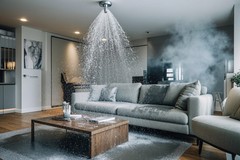
When a fire sprinkler system activates, it does exactly what it was designed to do: stop a fire before it spreads and gives people time to get out safely. The relief of knowing the flames are gone, however, is often followed by a second problem that catches property owners off guard. Those sprinkler heads release a surprising amount of water, and within minutes your floors, walls, carpets, and belongings can be drenched. Fire sprinkler water damage is a very real consequence of a very good safety system, and knowing what to do next makes all the difference. If you are facing a flooded building right now, our team offers emergency restoration services in Eau Claire and beyond and can respond quickly.
Many people assume that because a sprinkler only ran for a few minutes, the mess will dry on its own. It will not. A single sprinkler head can discharge more than twenty gallons of water per minute, and that water finds its way into subfloors, wall cavities, insulation, and every low point in the structure. Left unaddressed, what started as a safety measure can turn into mold growth, warped flooring, and structural concerns. Understanding how to respond protects both your property and your wallet.
Why Sprinkler Water Causes So Much Damage
The water that pours from a fire sprinkler system is not always clean. Many systems hold water inside pipes for long stretches, and that standing water can carry rust, sediment, and bacteria that discolor materials and leave odors behind. Combine that with the soot, ash, and debris already present from the fire, and you have a messy mixture that soaks into porous surfaces. This is why fire sprinkler water damage often requires more than a mop and a few fans.
Water also travels fast and hides well. It seeps under baseboards, slips beneath laminate and hardwood, and pools inside wall cavities where you cannot see it. By the time you notice buckling floorboards or a musty smell, the moisture has often been working behind the scenes for hours or days. Acting quickly limits how far that damage spreads and reduces the risk of secondary problems like mold, which can begin to develop within a day or two in the right conditions.
The First Hours Matter Most
What you do in the first several hours after a sprinkler discharge sets the tone for the entire recovery. Safety always comes first, so make sure the fire department has cleared the building and that it is safe to enter before you do anything. Electricity and standing water are a dangerous combination, so avoid wading into flooded areas if power may still be on.
Once the space is safe, there are a few sensible steps that help protect your property while professional help is on the way:
- Shut off the water supply to the sprinkler system if you can do so safely, and document the damage with photos and video for your insurance claim.
- Move dry belongings, important documents, and valuables to a dry area, and lift furniture off wet carpet when possible.
- Open windows and increase airflow if the weather allows, but resist the urge to start tearing out materials before an assessment has been done.
These early actions buy time, but they are not a substitute for professional extraction and drying. The hidden moisture inside walls and under floors requires specialized equipment and training to find and remove completely.
How Professional Restoration Handles the Cleanup
Addressing fire sprinkler water damage properly involves far more than removing visible water. A thorough restoration process begins with a moisture assessment using meters and thermal imaging to map out exactly where water has traveled. This step is critical because the areas you cannot see are usually the ones that cause long-term trouble. From there, powerful extraction equipment removes standing water, followed by strategic placement of air movers and dehumidifiers to pull moisture out of the structure.
Because sprinkler water often mixes with fire residue, cleaning and sanitizing are also part of the job. Soot and smoke odors linger in soft materials, and contaminated water can leave behind bacteria that needs to be treated. In cases where the fire caused significant damage alongside the flooding, the water work often happens in tandem with fire damage restoration in Eau Claire and its nearby regions so that both problems are handled by a single coordinated team rather than two separate efforts that slow each other down.
Throughout the process, moisture levels are monitored daily to confirm that materials are actually drying rather than simply feeling dry on the surface. Only once readings return to normal is the drying equipment removed and repairs begin. This measured approach is what prevents mold and keeps minor water intrusion from becoming a major rebuild.
Protecting Your Floors, Walls, and Belongings
Floors tend to take the hardest hit from sprinkler discharge because water settles downward and sits. Hardwood can cup and warp, laminate can swell and separate, and carpet padding acts like a sponge that holds moisture against the subfloor. Quick extraction and drying can often save flooring that would otherwise need full replacement, which is one more reason speed matters so much.
Drywall and insulation are also vulnerable. Wet drywall loses its structural integrity and can crumble, while saturated insulation loses its effectiveness and can harbor mold. A professional team knows how to determine what can be dried in place and what truly needs to be removed. The goal is always to preserve as much of your property as possible while making sure nothing contaminated or compromised is left behind. For a broader look at how these situations are handled, our overview of water damage restoration in Eau Claire explains the full scope of what the process can involve.
Working With Your Insurance
Most commercial and residential insurance policies cover sudden water damage from a sprinkler activation, but documentation is key to a smooth claim. Detailed photos, a written inventory of damaged items, and a professional assessment all strengthen your position. A reputable restoration company can work directly with your insurer, supplying moisture readings and scope-of-work details that help your claim move forward without unnecessary delays. This cooperation takes a heavy burden off your shoulders during an already stressful time.
It also helps to keep records of any emergency steps you took, such as shutting off the system or moving belongings. These actions show that you acted responsibly to minimize further loss, which insurers appreciate and often require.
A sprinkler system doing its job is always better than the alternative, but the water it leaves behind deserves the same urgency you gave the fire. Fire sprinkler water damage can spread quietly and quickly, so the sooner trained professionals assess and dry your property, the better your chances of avoiding mold, structural issues, and costly replacements. Whether you own a home or manage a business, having a plan and a trusted partner ready makes the recovery far less overwhelming.
Chem Master Restoration serves Eau Claire and the surrounding communities, and we are ready whenever disaster strikes. If you need fast, thorough help after a sprinkler discharge, or you are looking for dependable water damage repair in areas such as Hale Corner, WI, reach out to our team for a prompt response and a clear plan to get your property back to normal.