

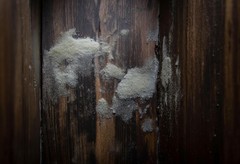
Wood is one of the most common surfaces mold loves to colonize, and it shows up everywhere from basement joists and attic sheathing to hardwood floors and window frames. Because wood is porous and holds moisture, it gives mold spores the food and humidity they need to thrive, often long before homeowners notice a problem. If you have spotted discoloration or caught a musty odor, understanding the different mold types on wood can help you gauge the severity and decide on next steps. And if the situation feels beyond a quick wipe-down, our team offers emergency restoration services in Eau Claire, WI to handle it safely.
Not all mold is created equal. Some varieties are mostly cosmetic and easy to clean, while others can compromise the structure of your home or pose health concerns. Knowing what you are looking at is the first step toward protecting both your property and the people who live in it.
Why Wood Attracts Mold So Easily
Mold needs three things to grow: moisture, an organic food source, and a comfortable temperature. Wood checks every box. Its natural fibers are packed with cellulose, which mold digests as a nutrient, and its porous structure absorbs and retains water from leaks, humidity, condensation, and flooding. In our Wisconsin climate, seasonal swings between damp springs, humid summers, and freezing winters create the perfect cycle of moisture exposure on framing, subfloors, and trim.
Once spores land on damp wood, colonies can begin forming within 24 to 48 hours. That is why moisture problems and mold problems almost always go hand in hand. Addressing the underlying water source is essential, and it is often the reason mold returns after a surface cleaning. This connection is exactly why quick response to leaks and flooding matters so much.
Common Mold Types on Wood
While there are thousands of mold species, a handful appear most often on wood surfaces in homes and businesses. Identifying the mold types on wood by their color, texture, and location can give you useful clues, though only lab testing confirms the exact species.
Black Mold (Stachybotrys chartarum)
Often the most feared variety, black mold appears dark greenish-black and typically has a slimy or wet texture. It thrives on constantly damp wood, such as areas affected by long-term leaks or flooding. Because it requires sustained moisture, its presence usually signals an ongoing water issue that needs professional attention.
White Mold
White mold can look fuzzy, powdery, or stringy and is sometimes mistaken for efflorescence or salt deposits. It is common on wood in basements, crawl spaces, and behind furniture where air circulation is poor. Because it blends into light-colored wood, it can spread further than expected before being noticed.
Green Mold
Green mold is a broad category that includes species like Aspergillus, Cladosporium, and Penicillium. It often looks velvety or fuzzy and can appear alongside other colors. You will frequently find it on damp framing, window sills, and wood near plumbing.
Yellow Mold
Some yellow molds actively feed on wood and can weaken structural components over time. Others appear as slimy patches. Yellow discoloration on beams, floorboards, or furniture should never be ignored, as certain species accelerate wood rot.
Brown Mold
Brown mold often blends with the natural tones of wood, making it easy to overlook. It tends to grow in humid, poorly ventilated spaces and can contribute to the breakdown of wood fibers.
How to Identify Mold on Wood
Spotting mold early comes down to using your senses and knowing where to look. Start with a visual inspection, paying attention to any unusual staining, spotting, or fuzzy growth. Mold often clusters in patterns rather than spreading evenly, and it frequently follows the path of water intrusion, such as streaks below a leaky pipe or rings around a window frame.
Your nose is another reliable tool. A persistent musty, earthy odor usually means mold is present even if you cannot see it, particularly in basements, crawl spaces, and behind walls. Texture matters too. Wet, slimy growth points toward active colonies, while dry, powdery patches may indicate dormant mold that can reactivate with moisture.
One quick way to tell mold from ordinary dirt or stains is a simple test with a bit of diluted household cleaner on a cotton swab. If the spot lightens and returns, it is likely mold rather than a permanent stain. Keep these signs in mind as you inspect:
- Discoloration in patches or streaks, especially green, black, white, or yellow
- A musty or damp odor that lingers
- Fuzzy, slimy, or powdery textures on the wood surface
- Warping, softening, or crumbling wood, which suggests rot has set in
- Recurring stains that return after cleaning
Mold Versus Wood Rot
People often confuse mold with wood rot, but they are related in an important way. Surface mold feeds on the organic material in wood and can stain or discolor it, while wood rot is caused by fungi that actively break down the wood structure. Prolonged mold growth and the moisture that fuels it can eventually lead to rot, which compromises load-bearing framing, subfloors, and joists.
If wood feels spongy, crumbles when pressed, or has darkened significantly, you may be dealing with rot in addition to mold. At that point, cleaning alone is not enough, and damaged materials may need to be removed and replaced to keep the structure sound. This is where professional assessment becomes valuable, because the extent of hidden damage is rarely visible from the surface.
When to Call a Professional
Small patches of surface mold on non-structural wood can sometimes be handled with careful cleaning, proper protective gear, and good ventilation. However, larger infestations, mold on structural framing, or growth tied to flooding and leaks call for professional remediation. Disturbing mold without the right containment can spread spores throughout your home, making the problem worse.
Because mold and moisture are so closely linked, remediation should always include finding and fixing the water source. Our team addresses both, whether the culprit is a plumbing failure, a roof leak, or a flooded basement. You can learn more about how we approach moisture problems through our water damage restoration in Eau Claire and its surrounding towns, which pair drying and cleanup with mold prevention. For homes and businesses dealing with flooding, we also provide water damage restoration in Candy Corners, WI and the surrounding areas.
Professional remediation typically includes isolating the affected area, safely removing contaminated materials, treating salvageable wood, and thoroughly drying the space to prevent regrowth. This methodical approach protects your indoor air quality and helps ensure the mold does not simply return a few weeks later.
Protecting Your Home for the Long Term
The best defense against mold on wood is moisture control. Keep humidity levels in check, ventilate bathrooms and basements, address leaks quickly, and inspect vulnerable areas like crawl spaces and attics seasonally. In our region, freeze-thaw cycles and heavy snow can create hidden water intrusion, so staying ahead of these issues pays off. If you ever face frozen pipes or roof problems, our damage restoration services can help you respond before mold has a chance to establish itself.
Recognizing the various mold types on wood empowers you to act sooner rather than later. Color and texture offer helpful hints, but when growth is widespread, tied to a moisture source, or affecting structural wood, expert help is the safest route. If you have discovered mold in your home or business anywhere in Eau Claire and nearby communities, reach out to Chem Master Restoration for a professional evaluation and a clear plan to restore your property.