

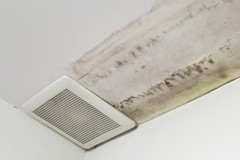
Mold can begin growing in as little as 24 to 48 hours after water intrudes into your home. That short window is exactly why knowing how to stop mold after water leak situations matters so much. The moment a pipe bursts, an appliance overflows, or a roof starts dripping, the clock starts ticking, and the moisture left behind becomes the perfect breeding ground for spores that are already floating in the air. If the water problem is severe or hard to reach, our emergency restoration services in Eau Claire and its surrounding areas can respond quickly to stop the spread before it becomes a bigger headache.
The good news is that mold is preventable when you act fast and dry things out thoroughly. In this guide, we will walk through the practical steps homeowners can take right after a leak, what to watch for in the days that follow, and when it makes sense to bring in professionals who have the equipment to dry hidden moisture you cannot see.
Stop the Water and Assess the Damage
Before you can prevent mold, you have to stop the source of the moisture. Shut off the water supply to the affected area, or the main valve if you are not sure where the leak originates. A running leak will undo any drying efforts and keep feeding future mold growth, so this step always comes first.
Once the flow is stopped, take a careful look at how far the water traveled. Water moves along floors, wicks up drywall, and seeps under baseboards and cabinets. What looks like a small puddle on the surface can mean saturation several feet away or inside wall cavities. Document the damage with photos for your insurance records, and note whether the water is clean, gray from an appliance, or contaminated from a sewage backup, because the latter requires specialized handling and should not be cleaned up without protective gear.
Dry Everything Within 48 Hours
Speed is the single most important factor when it comes to how to stop mold after water leak damage. Mold needs moisture to survive, so removing that moisture quickly starves it before it can take hold. Start by extracting standing water with a wet vacuum, mop, or towels, then open windows and doors to get air moving if the weather allows.
Fans and dehumidifiers do the heavy lifting here. Position box fans or air movers to blow across wet surfaces rather than just into the room, and run a dehumidifier continuously to pull humidity out of the air. Pull up soaked rugs and carpet padding, since padding rarely dries fast enough to save and often traps moisture against the subfloor. Remove wet items like cardboard boxes, upholstered furniture, and books from the area so they do not become secondary sources of mold. The goal is to get everything feeling completely dry to the touch within that critical two-day window.
Clean and Disinfect Affected Surfaces
Drying is essential, but cleaning the affected area removes the spores and residue that drying alone leaves behind. Hard surfaces like tile, sealed wood, and metal can usually be wiped down with a detergent solution or a dedicated cleaner. For a deeper level of protection, many homeowners follow up with a disinfecting treatment, and our disinfection and sanitization services can help when you want to be certain the space is properly treated.
Be realistic about porous materials. Drywall, insulation, and particleboard that stayed wet for more than a day or two often need to be removed rather than cleaned, because moisture and spores work their way deep inside where surface cleaning cannot reach. Cutting out and replacing a section of saturated drywall is far cheaper than dealing with a mold colony that spreads behind your walls.
Watch for Hidden Moisture and Early Warning Signs
Even after visible surfaces feel dry, moisture can linger in places you cannot easily reach: inside wall cavities, under flooring, behind cabinets, and in subfloors. This hidden dampness is where mold most often takes root, because it goes unnoticed until the problem is already established. A moisture meter gives a more accurate reading than touch alone, and professionals use infrared cameras to locate wet spots behind finished surfaces.
In the days following a leak, stay alert for the early signs that mold may be developing. A musty, earthy odor is often the first clue, even before anything is visible. Discoloration on walls or ceilings, peeling paint, warped flooring, and any fuzzy or speckled growth all warrant immediate attention. If you notice these signs, do not paint over them or ignore them, because the underlying moisture problem will keep the mold alive.
When to Call a Professional
Small, quickly addressed leaks are often manageable on your own. But there are clear situations where professional help is the smart choice. Knowing how to stop mold after water leak damage also means recognizing when a job is beyond basic drying.
- Water has spread across a large area or soaked into walls, ceilings, or subfloors.
- The leak involved contaminated water, such as a sewage backup or flooding from outside.
- More than 48 hours passed before the area was dried, giving mold time to establish.
- You already see or smell mold, or someone in the home has respiratory sensitivities.
A professional team brings industrial air movers, commercial dehumidifiers, and moisture detection tools that reach the dampness homeowners often miss. Our specialists in water damage restoration in Eau Claire can assess the full extent of the intrusion, remove unsalvageable materials safely, and verify that your home is genuinely dry rather than just dry on the surface. That thoroughness is what truly prevents mold from returning.
Protecting Your Home Through Wisconsin Seasons
In our climate, water threats shift with the seasons. Frozen and burst pipes in winter and ice dams that push meltwater under shingles are common culprits that lead to the same mold risks as a summer plumbing leak. Staying ahead of these seasonal issues goes a long way toward keeping your home dry year round, and acting fast on any leak remains the best defense against mold no matter the time of year.
To recap the essentials: stop the water source immediately, extract and dry everything within 48 hours, clean and disinfect affected surfaces, remove porous materials that stayed wet, and keep watching for hidden moisture and early warning signs. These steps are the heart of how to stop mold after water leak problems before they grow into something serious and costly.
When a leak feels like more than you can handle alone, you do not have to face it by yourself. Chem Master Restoration proudly serves Eau Claire and the surrounding areas, and we also provide water damage restoration in Drammen, WI for homeowners who need fast, thorough help. Reach out for a prompt response, and let our team make sure your home is dried, cleaned, and protected against the mold that follows water damage.