

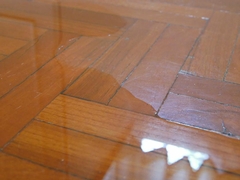
Water damage on wood surfaces is not only unsightly but can also lead to structural issues if not addressed promptly. Whether it’s your precious wooden furniture or architectural elements like floors and beams, understanding how to remove water damage from wood effectively is crucial for maintaining the integrity and aesthetics of your property. For homeowners and businesses alike, engaging skilled restoration contractors in Eau Claire and its nearby areas can be pivotal in tackling these challenges. In this guide, we'll delve into the causes, prevention, and step-by-step solutions to restore water-damaged wood, making it a worthy investment for your property’s longevity.
Water damage to wood can stem from numerous sources, such as leaky roofs, burst pipes, or even high humidity levels. These issues pose significant risks, including mold growth and wood rot, which might compromise both appearance and structural soundness. Through this blog, we'll explore key strategies to mitigate these damages and introduce effective techniques for restoration. Ready to dive into the details? Here’s how you can regain the beauty and strength of your wood elements.
Causes of Water Damage to Wood
Understanding the root causes of water damage can aid in both prevention and effective remediation. Common culprits include plumbing leaks, excessive moisture in humid climates, and unexpected floods. These can result in stains, swelling, warping, and even mold infestation on wooden surfaces.
Prolonged exposure to moisture causes wood to lose its structural integrity. Porous by nature, wood absorbs water quickly, making it vital to act swiftly once damage is detected. Identifying the source of water intrusion early on can help you prevent further damage. It's essential to routinely check areas prone to moisture, like basements, attics, and rooms with inadequate ventilation.
Identifying Water Damage on Wood
Recognizing the signs of water damage early can drastically improve the chances of successful restoration. Symptoms may include discoloration, warping, and a musty odor. These changes are not only aesthetic issues but also indicators of deeper, structural problems, such as mold or wood rot.
Listen for creaks or shifts in your floors and check for deformations, which are common when wood has absorbed excessive moisture. Another telltale sign includes finishes becoming cloudy or discolored, indicating that moisture has penetrated beneath the surface.
Steps to Remove Water Damage from Wood
Restoring water-damaged wood requires a methodical approach to ensure that the damage is not only superficially addressed but also that its integrity is preserved. Here's a streamlined process for you to consider:
Assessment and Preparation:
- Inspect the affected area to understand the extent and source of the damage.
- Remove any adjacent moisture-prone items that could exacerbate the situation, including rugs and furniture.
Dry the Wood:
- Use fans and dehumidifiers to dry the area thoroughly.
- For minor damages, allow time for air drying. However, ensure good air circulation.
Cleaning and Disinfection:
- Clean the surface with a wood-friendly cleaner to remove grime and any signs of mold.
- Disinfect the area to eliminate bacteria and mold spores.
Sanding:
- Once dry, lightly sand the area to remove water stains and warping.
- Use fine-grit sandpaper to ensure a smooth finish.
Sealing and Finishing:
- Apply a sealant or wood stain to protect the wood against future moisture exposure.
- Consider a finish that enhances durability and matches the existing color tone of the wood.
Properly executing each step provides the best chance to remove water damage from wood efficiently, preserving both aesthetics and functionality.
Preventative Measures for Future Protection
Once you've invested time in repairing water-damaged wood, you'll want to prevent recurrence as much as possible. Implementing proactive measures can help protect your wood surfaces and maintain their pristine condition.
Ensure regular maintenance checks on plumbing systems and appliances to catch leaks early. Installing a humidifier in areas with high moisture levels can also help balance indoor humidity, preventing wood from absorbing too much moisture. Additionally, utilizing water-resistant sealants on wood surfaces can significantly reduce the risk of future damage.
Professional Help: When to Call the Experts
While many minor water damage issues can be handled with DIY approaches, there are times when professional intervention is necessary. Extensive water damage, especially when it comes to structural elements or high-value woodwork, requires the skills and expertise of experts who specialize in water damage restoration in the Eau Claire area. These professionals are equipped with the tools and knowledge to ensure proper drying, cleaning, and refinishing of all types of wood surfaces.
Moreover, professional services provide comprehensive solutions, including mold remediation, which might not be noticed in routine checks. Hiring experts not only safeguards your property but extends its lifespan by effectively managing water damage risks.
Extend the Lifespan of Your Wood with Chem Master Restoration
Keeping your wooden surfaces looking pristine and structurally sound requires a mix of regular maintenance and professional care. Chem Master Restoration, with its vast experience in services like sewage cleanup and water damage repair in Bloomer, provides industry-leading solutions tailored to your needs. Our team understands the intricacies of wood damage and works tirelessly to rejuvenate surfaces with precision and care.
Don't wait until water damage becomes irreversible. Contact Chem Master Restoration today and ensure that your property remains a testament to your investment and aesthetic values. With our expertise, you can transform any damage into an opportunity for restoration and renewal. Reach out to us for personalized service and preserve the beauty of your wood elements for years to come.