

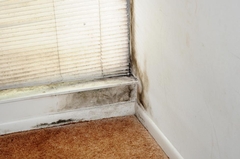
When water leaks go unnoticed, they can create a hidden peril lurking within your walls or beneath your floors. If you've ever wondered "how long does it take for mold to form" after a leak, you're not alone. Understanding the timeline for mold growth is crucial, especially for homeowners in Eau Claire, WI, where unpredictable weather can lead to unexpected water intrusions. Utilizing damage restoration services in Eau Claire and nearby locations, like those offered by Chem Master Restoration, can mitigate what could otherwise be a long-standing issue.
Fast Action Amidst Damp Conditions
Mold, a type of fungus, thrives in damp and warm conditions. After water intrusion, whether from a storm, burst pipe, or a simple household mishap, mold spores can begin to colonize within just 24 to 48 hours. While this may seem alarmingly quick, the proliferation depends on several factors, including the material's porosity, ambient temperature, and the degree of moisture penetration. Understanding how long it takes for mold to form helps in prioritizing immediate action to prevent potential health hazards and property damage.
Factors Influencing Mold Growth
1. Moisture Levels
Moisture is the lifeblood of mold growth. Any retained water can provide a perfect breeding ground for mold. Even when leaks are minimal, moisture trapped in drywall, carpet, or wood can lead to rapid mold development. To effectively address this, one must eliminate excess moisture promptly.
2. Temperature
Mold prefers warm environments, typically thriving in temperatures between 77 and 86 degrees Fahrenheit. Interestingly, this temperature range often overlaps with the comfortable conditions humans create indoors, particularly during the colder months in Eau Claire, WI. This alignment underscores the need for vigilance, especially during the winter.
3. Types of Materials
The type of material affected by a leak can significantly impact how long it takes for mold to form. Porous materials like carpets, ceiling tiles, and drywall offer ideal environments for mold spores to become entrenched quickly. In contrast, less porous materials may take longer to show visible signs of mold but are not immune.
4. Airflow
Good ventilation can deter mold growth by reducing humidity levels and drying out wet areas. Conversely, stagnant air allows moisture accumulation, hastening mold colonization.
Health Implications and Risks
Mold isn't merely an aesthetic issue; it poses serious health risks, particularly for those with respiratory issues or weakened immune systems. Exposure to mold can lead to symptoms like coughing, sneezing, irritation, and in severe cases, allergic reactions. For homeowners in Eau Claire, WI, where the climate can be a breeding ground for mold, understanding these implications is essential for health and safety.
Steps for Prevention and Control
Immediate Response
The key to preventing mold after a leak is a prompt response. Addressing the issue within the first 24 to 48 hours following a water intrusion incident can significantly curtail mold growth. This often involves eliminating standing water, thoroughly drying affected areas, and potentially seeking professional services for comprehensive water damage restoration and mold prevention.
Professional Intervention
Enlisting the services of a professional, like Chem Master Restoration, is an investment in your property's health. Experts can accurately assess the extent of moisture infiltration using state-of-the-art equipment, offering solutions tailored to specific scenarios, whether they be emergency mold removal or routine inspections and remediation.
Long-Term Strategies
Consider these preventative measures to safeguard your home:
- Install proper ventilation systems in high-moisture areas such as bathrooms and kitchens.
- Regularly inspect and maintain roofing, plumbing, and drainage systems.
- Use dehumidifiers, especially in basements and crawl spaces.
- Ensure that gutters and downspouts direct water away from the home’s foundation effectively.
Addressing the Aftermath
Even with preventative measures, sometimes water damage occurs unexpectedly. In such instances, understanding how to remediate and restore is vital. For example, water damage restoration in Eau Claire plays a critical role in ensuring any colonized areas are appropriately treated before further damage can manifest.
The Importance of Vigilance
Regular home maintenance checks can identify potential leak sources before they develop into significant problems. Areas requiring frequent attention include roof flashings, appliance hoses, and seals around windows and doors. Regular inspections, especially post-storm or heavy rain, can catch small issues before they become costly repairs.
Your Partner in Restoration
Whether dealing with a minor ceiling drip or a basement flood, the aftermath can be daunting without professional assistance. Chem Master Restoration excels in providing comprehensive services tailored to the residents of Eau Claire, WI, and the surrounding areas. Their expertise in water damage restoration ensures your property is returned to its pre-damage state efficiently and effectively.
Encouraging Timely Action
Don't wait for mold to become a visible problem. Engaging with professional services for water damage restoration in Rodell and its surrounding suburbs can provide peace of mind and protect your home from future issues. Chem Master Restoration offers holistic support, including assessments, emergency treatments, and advice for preventive measures - all designed to maintain a safe, healthy living environment.
Understanding how long it takes for mold to form can guide homeowners in taking decisive, preventative steps against mold-related issues. Partnering with experts like Chem Master Restoration ensures that when water intrusion does occur, you have a knowledgeable ally ready to restore your peace of mind and safeguard your home. Contact us now!