

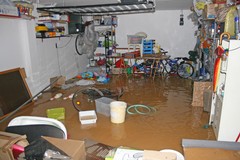
Few homeowners read their insurance policies closely until water is pooling across the floor and the clock is ticking. That is often the moment people discover a hard truth: not all water-related damage is treated equally by insurers. Understanding the difference between flood insurance vs water damage? insurance before disaster strikes can save you thousands of dollars and a great deal of stress. When water does intrude, acting fast matters, which is why many property owners in our area rely on emergency restoration services in Eau Claire and its surrounding neighborhoods to stop the spread and begin drying immediately.
The distinction comes down to where the water comes from and how your policy defines a covered loss. A burst pipe, an overflowing appliance, and a river cresting its banks may all leave your floors soaked, but the type of coverage that applies can be entirely different. Let us walk through what each type of policy covers, what it does not, and how to make sure you are protected.
What Standard Water Damage Insurance Covers
Most standard homeowners policies include water damage coverage, but it applies only to specific, sudden, and accidental events that originate inside your home. Think of a pipe that bursts in a cold snap, a water heater that fails, a dishwasher that overflows, or rainwater that enters after a storm tears off part of your roof. In these scenarios, the water damage was unexpected and came from within or through your property, and your policy will typically help pay for repairs and restoration.
The key word insurers use is "sudden." Coverage generally applies when the damage is abrupt rather than the result of slow, ongoing problems. A pipe that has been quietly leaking behind a wall for months, causing rot and mold, is usually considered a maintenance issue and may be denied. This is why routine inspections and prompt repairs matter so much. When winter arrives in Wisconsin, frozen and burst pipes become a common claim, and understanding how your policy treats frozen pipe and winter water damage repair in Eau Claire can help you respond quickly and document the loss properly.
What Flood Insurance Covers and Why It Is Separate
Here is where the confusion in the flood insurance vs water damage? insurance debate usually begins. Flooding, in insurance terms, means water that comes from outside and affects the ground. This includes rising rivers, overflowing lakes, heavy surface runoff from storms, and storm surge. That kind of water intrusion is specifically excluded from most standard homeowners policies. To be covered, you need a separate flood insurance policy, most commonly obtained through the National Flood Insurance Program or a private insurer.
Flood insurance exists because widespread flooding events can affect entire communities at once, creating losses too large for standard coverage to absorb. If you live near the Chippewa River, the Eau Claire River, or in any low-lying area, flood coverage is worth serious consideration even if your property is not in a designated high-risk zone. Many flood claims come from properties outside mapped flood plains, simply because heavy rain can overwhelm drainage anywhere.
The Gray Areas Where Claims Get Complicated
Not every water event fits neatly into one category, and the overlap is where disputes tend to happen. Consider a storm that drops several inches of rain. If water enters through a damaged roof, that is often a covered water damage claim. If that same rain saturates the ground and seeps up through your foundation or basement floor, it may be classified as flooding and excluded unless you have a flood policy. Same storm, two very different outcomes for your wallet.
Sewer and drain backups are another frequent sticking point. A backup that pushes contaminated water into your home is typically not covered by a basic homeowners policy or a standard flood policy. Instead, it usually requires a specific sewer backup endorsement. Because these situations involve health hazards, professional sewage removal and cleanup in the Eau Claire area is essential, and documenting the source carefully will help your claim. Groundwater seepage, poor drainage, and gradual leaks also tend to fall into excluded territory, which surprises many homeowners after the fact.
How to Figure Out What You Actually Have
The best time to sort out your coverage is long before you need it. Pull out your current policy or call your agent and ask pointed questions about specific scenarios rather than general terms. A few questions worth raising include the following:
- Does my policy cover sudden pipe bursts and appliance overflows, and up to what limit?
- Am I covered for sewer or drain backups, or do I need an endorsement?
- Do I have any flood coverage, and if not, what would a separate flood policy cost?
- Are mold and secondary damage from a covered water event included?
Write down the answers and keep them with your records. It also helps to photograph your home and belongings periodically so you have a baseline to reference if you ever file a claim. When you understand exactly where your flood insurance vs water damage? insurance lines are drawn, you can close the gaps with endorsements or additional policies before a loss ever occurs.
What to Do the Moment Water Appears
Regardless of which policy ultimately applies, your immediate response shapes both the severity of the damage and the success of your claim. Stop the source if you safely can, shut off the water or power as needed, and move valuables out of harm's way. Then document everything with photos and video before cleanup begins. Insurers want to see the extent of the damage, and thorough evidence makes the process smoother.
Speed is critical because water spreads fast and mold can begin developing within a day or two. Professional drying and extraction limit the damage and often reduce the total cost of your claim, which benefits you and your insurer alike. We serve Eau Claire and the surrounding communities, including water damage restoration in Fairchild, WI, so help is never far away when water strikes.
Protecting Your Property Before the Next Storm
The core lesson in the flood insurance vs water damage? insurance question is that one policy rarely covers everything. Standard water damage coverage handles sudden interior events like burst pipes and overflows, while flood insurance addresses water that enters from outside and rising ground water. Add-ons like sewer backup endorsements fill in the gaps that neither one covers on its own. Knowing these distinctions puts you in control rather than leaving you to discover an exclusion at the worst possible moment.
Take an hour to review your coverage, ask your agent about the gray areas, and consider whether flood or backup endorsements make sense for your location. Combining the right policies with a quick, professional response gives you the strongest protection against costly damage. If water has already found its way into your home or business, contact our team for prompt help and guidance through every step of the restoration and claim process.